In today’s world of YouTube tutorials and “play-it-by-ear” musicians, it’s easy to wonder whether learning to read sheet music is still worth the effort. After all, many talented players can pick up a melody just by listening. But while playing by ear is a valuable and creative skill, learning to read music unlocks a deeper, more versatile level of musicianship.
Let’s explore why.
Faster Learning and Expanded Repertoire

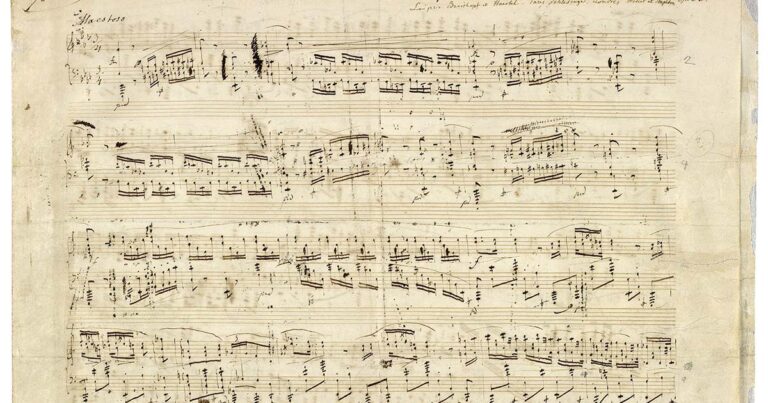
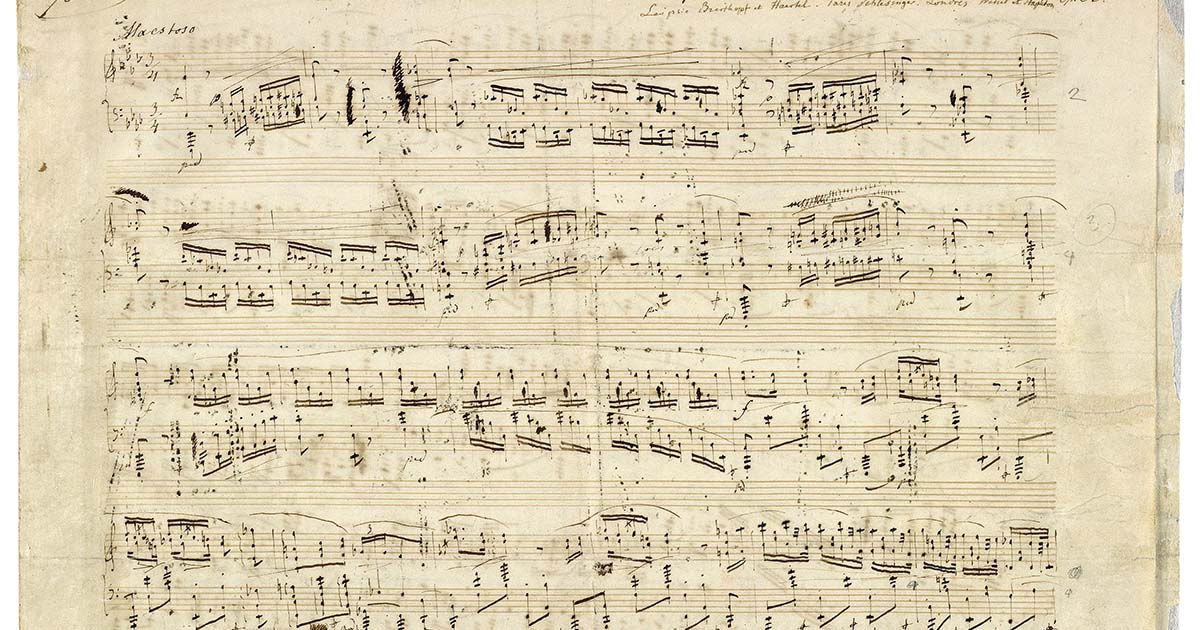
Learning by ear can be time-consuming — often requiring repeated listening and trial-and-error. In contrast, reading sheet music allows you to learn new pieces much more quickly because all the information is already laid out.
Even better, once you can read music, your repertoire expands dramatically. You’re no longer limited to songs you’ve heard — you can explore virtually any piece ever written.
Essential for Playing with Others

Music is often collaborative. Whether it’s a band, orchestra, or small ensemble, musicians need a shared system to stay in sync.
Sheet music provides that common ground. It ensures everyone is playing the same notes, rhythms, and structure — something that can be difficult to coordinate by ear alone.
Without it, communication becomes much harder, especially in more complex music settings.
Builds Deeper Musical Understanding
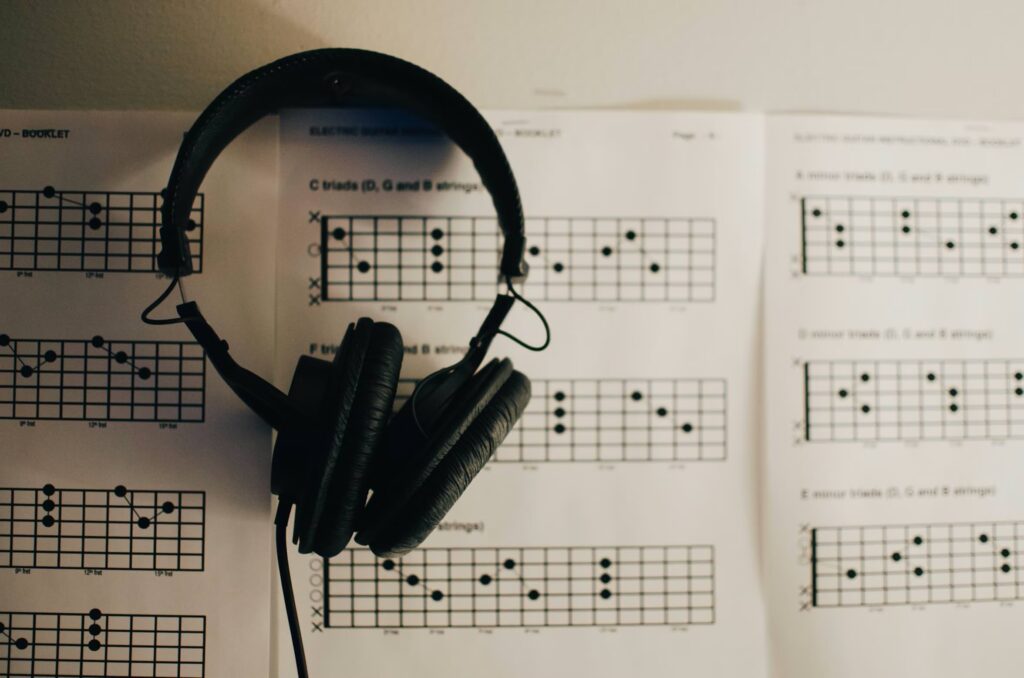
Learning to read music naturally introduces you to music theory — scales, chords, intervals, and structure. This deeper understanding helps you not only play music, but truly understand it.
As a result, you become a more well-rounded musician who can analyze, interpret, and even compose music.
Opens the Door to Composition

If you’ve ever wanted to write your own music, reading sheet music is a game changer. It gives you the tools to capture and communicate your ideas clearly so others can play them too.
Without notation, your compositions may live only in your memory or recordings. With it, they become shareable and lasting.
Where Playing by Ear Fits In

To be clear — playing by ear is not a “lesser” skill. It’s an impressive ability that allows musicians to reproduce music without notation and is especially common in genres like jazz, pop, and blues.
It also encourages creativity, improvisation, and strong listening skills.
But relying only on playing by ear can be limiting. You may struggle with complex pieces, collaboration, or accessing unfamiliar music.
A closing thought & invitation
Learning to read sheet music may take time, but it’s one of the most valuable investments you can make in your musical journey. It transforms music from something you imitate into something you truly understand.
Once you’re fluent, a whole new world of music opens up — one page at a time. At Canal Fulton Music, we make this possible.
Whether your child is just beginning, or ready to grow their skills to the next level, our professional instructors are here to nurture their talent and passion. Today’s students are tomorrow’s innovators — and their musical journey can start right here at Canal Fulton Music.
Ready to explore? Learn more about lessons below.