As America celebrates the 250th anniversary of the signing of the Declaration of Independence, we’re examining the origins and evolution of our national anthem, “The Star-Spangled Banner.”
Whether sung before a baseball game, at a school assembly, or during a national celebration, our national anthem tells a story of resilience, hope, and endurance.
A Song Born in the Midst of Battle
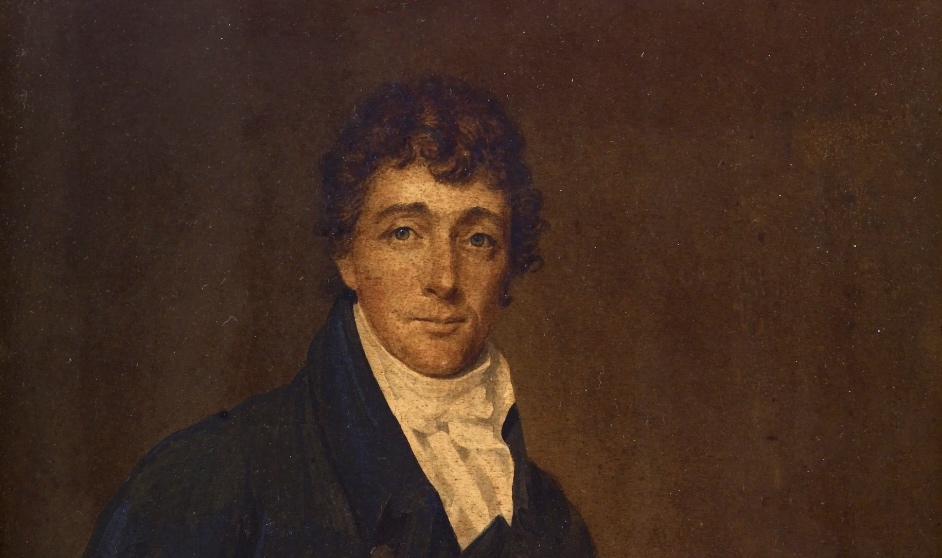
On the night of September 13, 1814, British forces launched a relentless bombardment of Fort McHenry in Baltimore Harbor. Watching from a nearby ship was Francis Scott Key, a lawyer who had traveled to negotiate the release of an American prisoner.
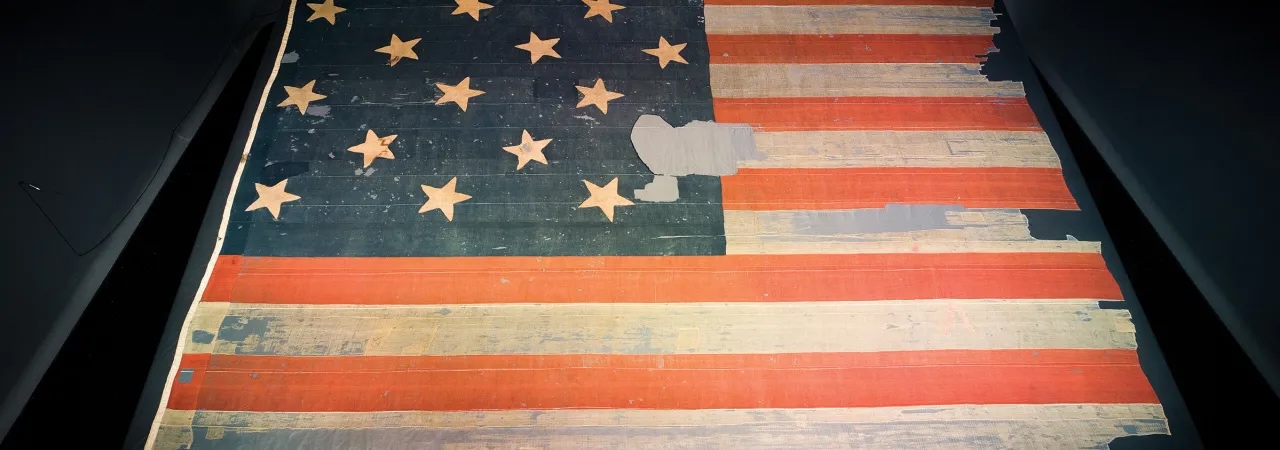
Through the darkness, Key anxiously wondered whether the fort had survived the attack. At dawn, he looked toward the harbor and saw an enormous American flag still waving above the fort. Inspired by the sight, he penned a poem titled “Defence of Fort M’Henry.“
The poem was soon set to the melody of the popular English song “To Anacreon in Heaven,” and quickly spread throughout the country under its new title: “The Star-Spangled Banner.”
Although Americans had sung the song for more than a century, it wasn’t until 1931 that Congress officially declared it the national anthem of the United States.
Memorable Performances That Made History
Whitney Houston (1991)
Perhaps the most beloved performance came from Whitney Houston, before Super Bowl XXV in 1991.
Performed during the Gulf War, Houston’s powerful yet heartfelt rendition became an instant classic. Backed by a full orchestra, her performance struck a perfect balance between patriotism and musical artistry. It was later released as a charity single and even reached the Billboard Hot 100, which was an extraordinary achievement for a national anthem.
More than three decades later, many still consider it the definitive modern performance.
Jimi Hendrix (1969)
At the Woodstock Music & Art Fair, Jimi Hendrix transformed the anthem into an unforgettable electric guitar solo. His interpretation used feedback and distortion to evoke the sounds of war while reflecting the social and political tensions of the era.
Though controversial at the time, it remains one of the most influential live performances in American music history.
Marvin Gaye (1983)
Before the 1983 NBA All-Star Game, Marvin Gaye delivered a soulful, groove-filled version that broke with tradition. His performance demonstrated that the anthem could honor its history while embracing new musical styles, influencing many artists who followed.
A closing thought & invitation
One of the beautiful things about “The Star-Spangled Banner” is that every generation discovers it in a new way. Children may first hear it at school, or before a sporting event. Musicians spend years learning its challenging melody and vocal range. Families sing it together during patriotic celebrations.
Every time we sing the national anthem, we’re participating in a tradition that has spanned 200 years. You or your child can continue that tradition, and forge a new path, by learning how to play music.
Whether you’re just beginning, or ready to grow your existing skills, we’re here to nurture talent and passion. Today’s students are tomorrow’s innovators — and their journey can start right here at Canal Fulton Music.
Ready to explore? Learn more about lessons below.